
APSM Engineering
PEM Insertion and Avdel Rivet Nut Insertion
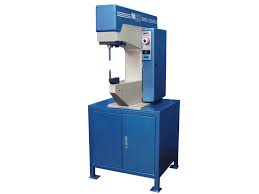
PEM inserts are pressed straight into the sheet at our workshop, on dedicated insertion equipment, as part of the same job as the cutting and folding.
It gives you strong, repeatable threads in thin material where tapping will not hold, and it means one less supplier handling your parts. Components leave here assembly-ready.
APSM Engineering
PEM Insertion and Avdel
APSM Engineering offers PEM sheet metal inserts and Avdel rivet nut insertion services, providing strong, reliable threaded and fastening solutions for fabricated components. Using dedicated insertion equipment, we accurately install a wide range of PEM fasteners and Avdel rivet nuts to suit customer specifications and application requirements.
These fastening methods allow for durable, repeatable threads in thin sheet materials where traditional tapping is not suitable. Our in-house insertion capability ensures correct positioning, consistent quality, and secure fixing, ready for immediate assembly or final use.
By offering PEM and rivet nut insertion as part of our fabrication process, APSM delivers a fully finished, assembly-ready component, reducing additional handling, lead times, and costs for our customers.
Why Not Just Tap The Hole and What We Insert?
Below about 2mm, a tapped thread has too few turns of engagement to hold under load. It strips. A PEM fastener sidesteps that: the sheet is displaced around a knurled collar and cold-flows into it, so the thread sits in the fastener rather than in the sheet. The part ends up stronger than the material it is in.
PEM self-clinching studs, standoffs and captive nuts, and Avdel rivet nuts, on our PEM Series 4 press. Tell us the fastener reference if you have one. If you do not, send the drawing with the thread size and the sheet thickness and we will specify it.
Getting It Right On The Drawing
Two things decide whether a PEM insert works. The first is sheet thickness, because each fastener has a minimum. The second is how close the fastener sits to an edge or a bend, since the sheet needs enough material around it to flow into. Mark both on the drawing and we will flag anything that will not hold before you commit.
The blank is cut on our fibre laser, folded on the press brake, welded if it needs it, and the fasteners go in here too. Most customers use us for the whole route. Some send parts in for insertion only, which is normal work.
PEM or Avdel
PEM self-clinching fasteners are pressed into a laser-cut hole. The sheet flows into the fastener’s collar and locks it in place, so it resists turning and pulling out under load. They leave a neat finish and suit flat parts where we can reach both sides of the sheet.
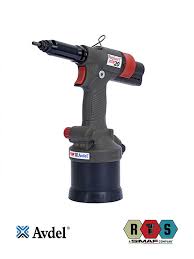
Avdel rivet nuts are fitted from one side only. The nut is pushed into the hole and squeezed so its body folds against the back of the sheet. That makes them the right choice for closed sections, tubes, and parts where you cannot reach behind the hole.
If you are not sure which one your part needs, send the drawing. We will look at the material, the thickness and access to the hole, then recommend the fastener.
Quote Your Inserts
FAQs
What is PEM insertion?
What are PEM sheet metal inserts used for?
Should I use a PEM fastener or an Avdel rivet nut?
Can PEM fasteners go into stainless steel or aluminium?
Can you fit inserts into parts made somewhere else?
Do you offer PEM insertion outside Swansea?
More Questions ?
We are more than happy to advise you on the options available. Please feel free to get in touch if you have any questions