
APSM Engineering
Sheet Metal Welding
Subcontract sheet metal welding for engineers, buyers and fabricators with more work than capacity. Coded welders, MIG, pulse MIG and TIG, on parts we cut and folded ourselves.
APSM Engineering
Coded Welders
Our welders are coded. Their qualifications are tested against a standard and certified, rather than picked up on the job. We hold the certificates and will send them across before you place an order.
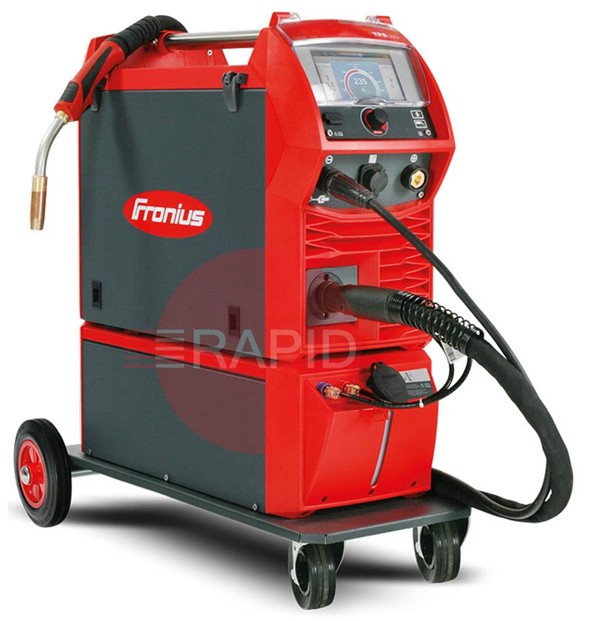
We weld mild steel, stainless and aluminium, on parts we have cut and folded ourselves or on components you send in. Two Fronius TPS 320i sets cover MIG and pulse MIG work; TIG handles thin gauge and anything with a visible seam.
MIG and Pulse MIG
We run Fronius TPS 320i sets for MIG welding services on mild steel, stainless and aluminium.
Pulse MIG puts less heat into the part. On a thin sheet, that means less distortion, so a folded panel comes out flat instead of bowed. It also leaves a cleaner bead on stainless, which matters when the weld is on a face somebody will see.
TIG Welding
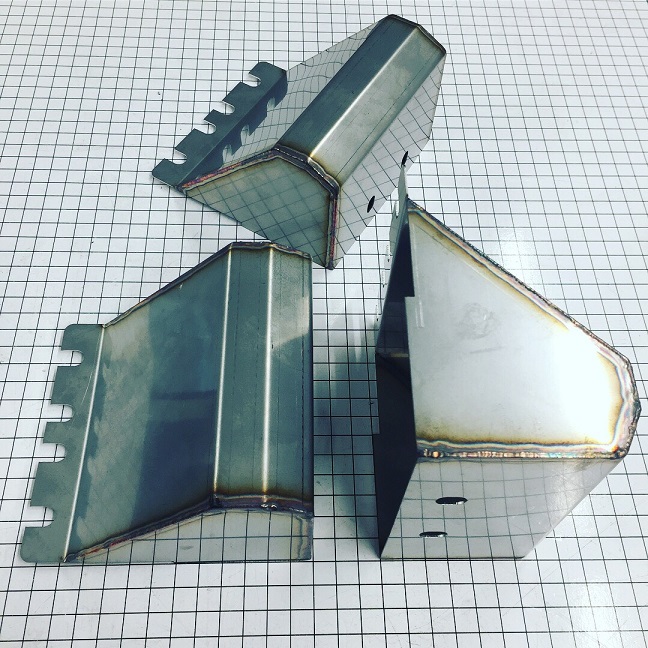
TIG welding services for work where the weld has to look right as well as hold. Thin-gauge stainless, aluminium, and anything with a visible seam.
TIG is slower than MIG. That is the trade. If a part does not need it, we will tell you and quote MIG instead.
FAQs
Are your welders coded?
Yes. Their qualifications are tested and documented, and we will send you the certificates before you place an order. Ask when you enquire.
Can you weld parts I have had cut elsewhere?
Yes. Send the components with a drawing showing weld positions and any tolerance you need held. Most customers use us for the whole job, but sheet metal welding on its own is normal work.
MIG or TIG, which do I need?
MIG is faster and suits most structural and hidden welds. TIG is slower and cleaner and suits thin material and welds that will be on show. Send the drawing and tell us which faces are visible. We will quote whichever makes sense.
Will welding distort my part?
Some heat movement is unavoidable. How much depends on the material, the thickness, and where the welds sit. Pulse MIG puts less heat in, which helps on thin sheets. If flatness matters, mark it on the drawing rather than assuming.
Can you weld aluminium?
Yes, using pulse MIG and TIG. Aluminium pulls heat away faster than steel does, so it needs different settings and a different filler. Tell us the grade if you know it.
Can you finish the part after welding?
Yes. Powder coating and zinc plating go through our selected finishing partners and come back to us for dispatch, so you still deal with one supplier and one price, and the part is checked here before it ships.Questions about welding?
We are experts in this and are more than happy to advise you on the options available. Please feel free to get in touch if you have any questions